- You have no items in your shopping cart
- Continue Shopping
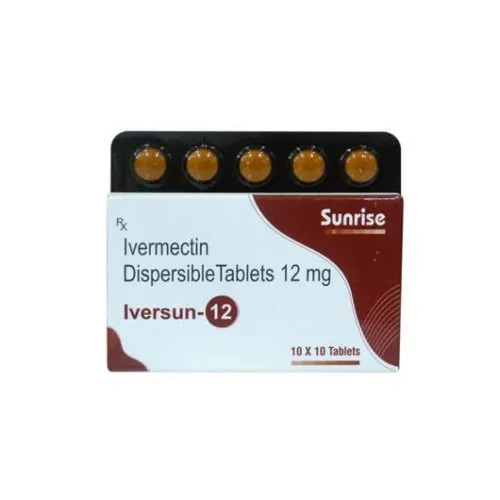
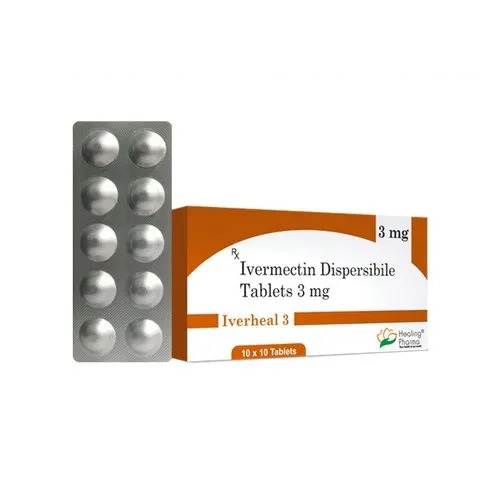
Iverheal 3 mg
Price range: $22.00 through $550.00
| Quick answer |
|---|
| Iverheal 3 mg is an ivermectin-based prescription medicine used to treat certain parasitic infections. Each tablet contains 3 mg ivermectin. Use it only as directed by a healthcare professional. |
| Product attribute | Details |
|---|---|
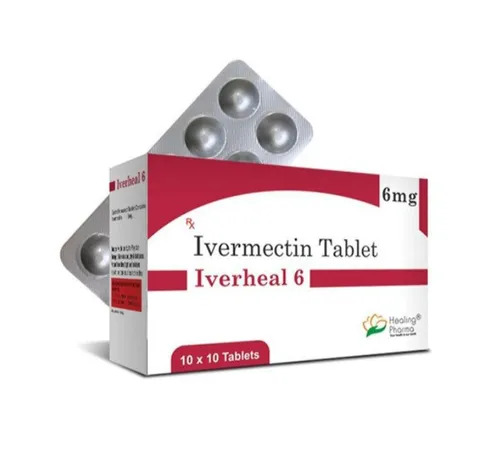
| Brand | Iverheal |
| Active ingredient | Ivermectin |
| Strength | 3 mg per tablet |
| Manufacturer | Healing Pharma India Pvt Ltd |
| Packaging shown | 10 × 10 tablets |
| Treatment | Treatment of Parasitic Infections |
| Delivery shown on page | 6–15 days; verify by destination before publishing |
Available Options:
What is Iverheal 3 mg?
Iverheal 3 mg is an oral tablet formulated with ivermectin. It belongs to the antiparasitic group of medicines and is prescribed for particular infections caused by susceptible parasites.
The medicine acts on biological processes within the parasite that are essential for normal nerve and muscle activity. This action can help reduce or eliminate susceptible parasites.
Iverheal 3 mg is not suitable for every type of worm infection. The choice of treatment depends on identifying the parasite and assessing the patient’s individual situation.
How does Iverheal 3 mg work?
Ivermectin acts on certain ion channels present in susceptible parasites. By changing the movement of chloride ions, it interferes with the parasite’s nervous-system activity.
This effect can impair movement and other essential functions of the parasite, eventually helping the body clear the infection.
Because of this mechanism, ivermectin belongs to the antiparasitic category rather than the antibiotic category.
What is Iverheal 3 mg used for?
Doctors may prescribe Iverheal 3 mg when ivermectin is considered appropriate for a particular parasitic infection.
Some established uses of ivermectin include:
- Strongyloidiasis
- Onchocerciasis
- Other infections caused by parasites that are sensitive to ivermectin, where medically appropriate
For strongyloidiasis, ivermectin acts against Strongyloides stercoralis, a parasitic worm that can live in the intestinal tract.
For onchocerciasis, ivermectin helps reduce the number of developing Onchocerca volvulus larvae and is used as part of disease management.
The treatment for a parasitic infection should be selected according to the organism involved. Iverheal 3 mg should not be assumed to work against every intestinal worm or parasite.
Iverheal 3 mg dosage
There is no single dose of Iverheal 3 mg that applies to every patient.
The prescribing decision may take into account:
- The diagnosed infection
- Patient’s body weight
- Age
- Existing medical conditions
- Current medicines
- Overall health status
For some conditions, ivermectin is calculated according to body weight. Since each Iverheal tablet contains 3 mg, the number of tablets needed is determined by the prescribed dose.
Do not increase the quantity, take repeated doses or extend treatment unless your healthcare professional instructs you to do so.
How to take Iverheal 3 mg
Use Iverheal 3 mg according to the instructions given with your prescription.
Take the tablet with water and follow the specific directions provided by your doctor or pharmacist concerning when to take it and whether it should be taken with food.
If you forget a scheduled dose, do not automatically double the next dose. Ask your healthcare professional or pharmacist for appropriate instructions.
Who should not take Iverheal 3 mg?
Before starting treatment, discuss your medical history with your doctor, particularly if you:
- Have experienced an allergy or unusual reaction to ivermectin.
- Have a liver-related medical problem.
- Are pregnant or may become pregnant.
- Are breastfeeding.
- Take regular prescription or non-prescription medicines.
- Already use medicines for parasitic infections.
- Have a neurological disorder or another important medical condition.
- Are considering treatment for a child or someone with a low body weight.
Your healthcare professional can decide whether ivermectin is suitable and whether any additional precautions are required.
Iverheal 3 mg drug interactions
Make your doctor or pharmacist aware of everything you currently take, including medicines, vitamins, herbal products and dietary supplements.
Certain combinations may require additional monitoring or medical consideration. This is particularly relevant when a patient is already receiving another antiparasitic treatment or medicines that can influence ivermectin’s effects.
People taking warfarin should specifically inform their healthcare professional before using ivermectin because changes in anticoagulant control have been reported.
Do not add another deworming or antiparasitic medicine to your treatment unless the combination has been recommended by a qualified healthcare professional.
Possible side effects of Iverheal 3 mg
Iverheal 3 mg can cause unwanted effects in some patients. Reported reactions associated with ivermectin may include:
- Headache
- Feeling dizzy
- Nausea
- Vomiting
- Loose stools or diarrhea
- Abdominal discomfort
- Weakness or fatigue
- Itching or skin rash
Some symptoms may also occur because of the body’s response to the parasites being treated rather than from the medicine alone.
If a reaction is severe, continues for an extended period or causes concern, contact your healthcare professional.
Get urgent medical help for
Stop and seek urgent medical attention if you develop signs of a serious reaction, such as:
- Trouble breathing
- Severe allergic symptoms
- Swelling involving the lips, tongue, face or throat
- Loss of consciousness or extreme dizziness
- Significant confusion or altered awareness
- Severe skin reactions
- Seizures or serious neurological changes
These symptoms require prompt medical evaluation.
Iverheal 3 mg during pregnancy and breastfeeding
If you are pregnant, trying to conceive or breastfeeding, discuss Iverheal 3 mg with your doctor before taking it.
Whether ivermectin should be used depends on the infection being treated and the expected benefits and potential risks for the individual.
Do not begin or discontinue prescribed antiparasitic treatment during pregnancy or breastfeeding without professional guidance.
Iverheal 3 mg storage and product verification
Keep Iverheal 3 mg stored as instructed on its packaging and away from unsuitable environmental conditions.
Before taking a tablet, examine the medicine pack for important details such as:
- Correct product name
- 3 mg strength
- Ivermectin as the active ingredient
- Manufacturer details
- Batch or lot number
- Expiration date
- Properly sealed packaging
Avoid using medicine if the packaging appears damaged, tampered with or incorrectly labelled.
Store the tablets where children and pets cannot access them.
Buying Iverheal 3 mg safely online
If you purchase Iverheal 3 mg online, choose a legitimate medicine supplier that follows the prescription and dispensing rules applicable in your location.
When your order arrives, compare the product against your prescription and packaging information. Check:
- Ivermectin 3 mg strength
- Product name
- Manufacturer
- Batch number
- Expiry date
- Packaging integrity
Be cautious of websites making unrealistic claims such as guaranteed cures, instant results or uses that have not been medically established.
A legitimate source should provide clear information about the medicine and appropriate prescription requirements.
Frequently Asked Questions
1. What conditions is Iverheal 3 mg used to treat?
➜ Iverheal 3 mg contains ivermectin and may be prescribed for certain parasitic infections, including strongyloidiasis and onchocerciasis, when medically appropriate.
2. Is Iverheal 3 mg the same as a regular deworming tablet?
➜ Iverheal 3 mg is an antiparasitic medicine, but it does not work against every type of intestinal worm. The appropriate medicine depends on the parasite causing the infection.
3. Why is the number of Iverheal 3 mg tablets different for different people?
➜ Ivermectin treatment can be based on factors such as the infection being treated and body weight. Therefore, the required number of 3 mg tablets can vary between patients.
4. Can Iverheal 3 mg be used without a prescription?
➜ Iverheal 3 mg should be used under appropriate medical supervision. A healthcare professional should determine whether ivermectin is suitable and establish the correct treatment schedule.
5. What should I do if I experience side effects after taking Iverheal 3 mg?
➜ Mild reactions such as headache, dizziness, nausea or gastrointestinal discomfort can occur. If symptoms become severe, persistent or are accompanied by breathing difficulty, facial swelling, fainting or serious neurological symptoms, seek medical attention promptly.
| PACK SIZE | 100 Pills, 200 Pills, 300 Pills, 500 Pills, 1000 Pills, 2500 Pills |
|---|
Related products